

On Being Lost
And finding the unexpected

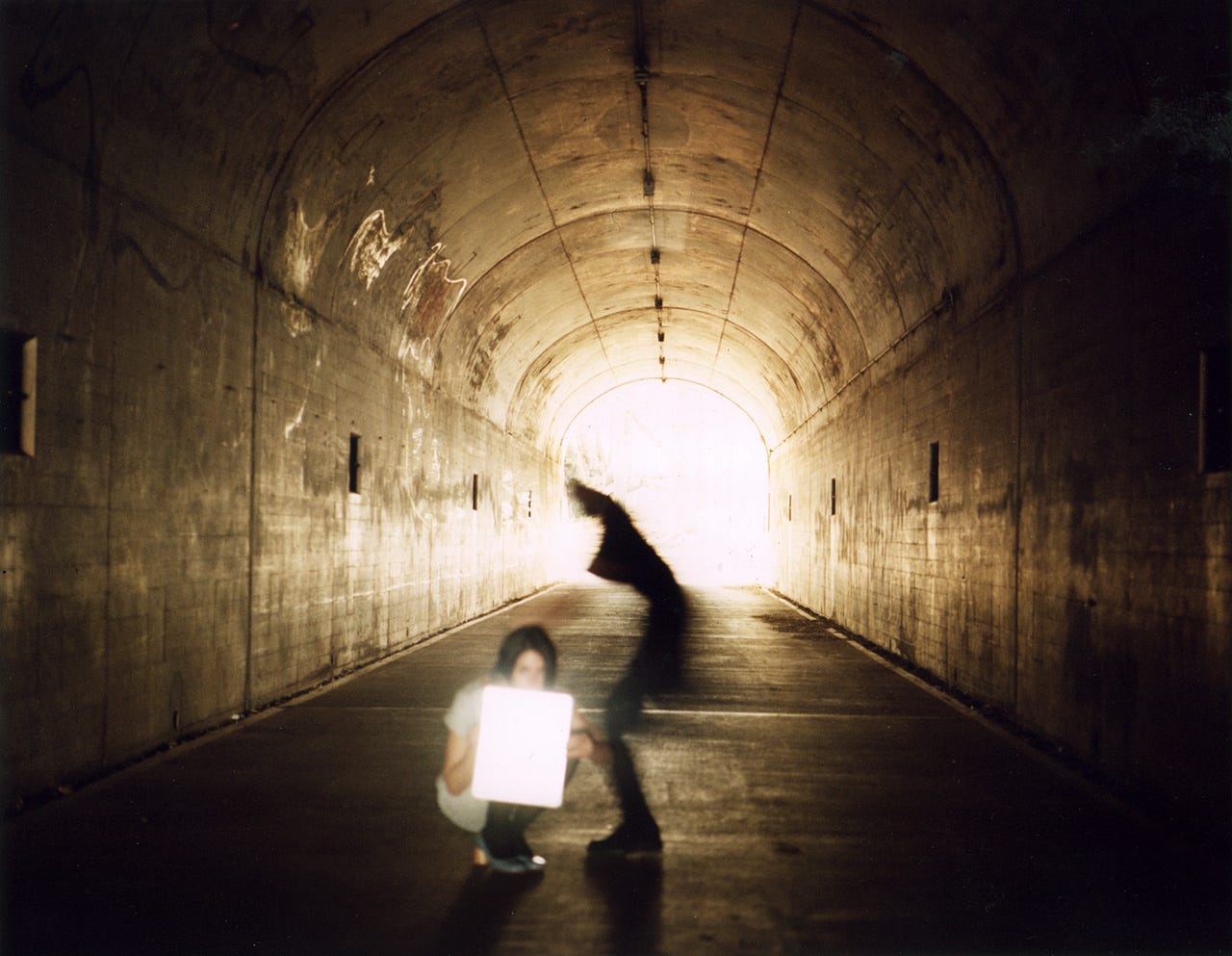
There are times in our lives when we’re said to be lost. The future is unknown and we don’t have a clear vision of where we’re going. Lately, I find myself at a crossroads, wondering where I’m going, who I am, and what tomorrow will bring. Yesterday, the cashier at a store cheerfully asked me what I was doing with the rest of my day and I hesitated, without a clear answer. She laughed it off and suggested it was good I had a day off. However, I wonder about my reluctance to embrace the idea of being without a solid destination. Plans for the future are a myth, and circumstances can change on a dime. We live in a world of illusionary structures, yet we cling to them out of the fear of going into free fall with nothing to tether our days to routine. As Pema Chodron reminds us in her book Comfortable With Uncertainty, “because we mistake what is impermanent to be permanent, we suffer”.
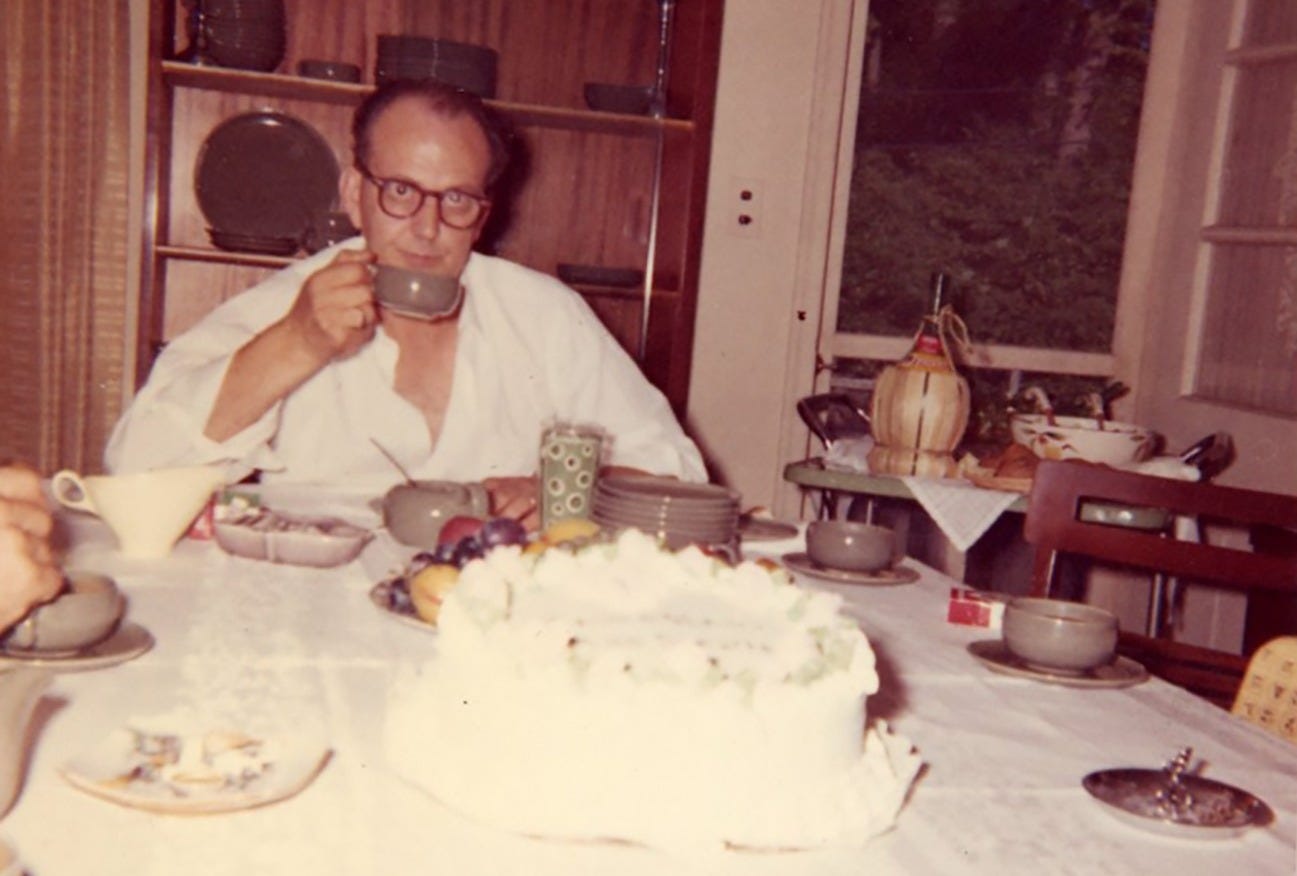
Last year brought the unexpected loss of my full time employment, not once, but twice. As a producer in the creative tech and entertainment industries, this isn’t that unusual. More time to make art, I thought, in my usual optimistic way. But if I’m honest, it has also been stressful. Based on the dictum to always be employed instilled by my middle class descended from immigrants family, this idea is deeply embedded into my psyche. While I’m grateful for all the privilege this has granted me, I also realize that I’m not sure how to make it work when I need to fend for myself without the support of a job and a paycheck.
My maternal grandfather was the consummate entrepreneur, starting a neighborhood market and then a bakery with little capital, and working around the clock often. I wish I had inherited his ability to turn an idea into gold. Or maybe these are different times, when the optimism to build something is invested in Instagram or TikTok, or lately AI. I also learned that in spite of his innate business abilities, my grandfather lost some of his financial gains in the stock market, taking a risk beyond the bounds of his understanding. So there’s always a downside in this life. And while I’m no stranger to long hours and working hard, I understand the health toll it takes. My Grandfather only lived to be 68, just when he was beginning to take time to enjoy his life.
Recently I heard an interview with the wonderful actress Katherine LaNasa, who went through long term unemployment and cancer before her Emmy award winning role on The Pitt. She complimented Stephen Colbert with his attitude of appreciating the worst things that happen to him in life. Instead he tries to have gratitude for everything, including the suffering, because that’s what makes us human, which in turn makes us have more empathy and love for other people. Granted there are a lot of toxic narcissists out there who didn’t get the memo (including the narcissist in chief), but this is a profound way to appreciate life including all of its grotesque twists of fate.
It’s the basis for many thought philosophies, or as LaNasa more simply acknowledged, “sometimes you lose”. Loss has always been present in our larger experience of the world as well as in the personal lives of many. Not to minimize that bad things, sometimes terrible things, happen to people because of bias against their race, gender, sexual preference or nationality, and this is unforgivable. But everyday losses are part of everyone’s life and they’re often not talked about or are quickly forgotten.
I read an interesting theory about how our brain processes our future plans called Memory of the Future. The concept was published in 1985 by the Swedish neurophysiologist David Ingvar, when he discovered that the brain processes our plans for the future in the same way that we process memories in the prefrontal cortex. It seems that we create mental simulations to guide us toward our desired future. I find this really intriguing and likely the scientific basis for the much touted concept of manifestation.
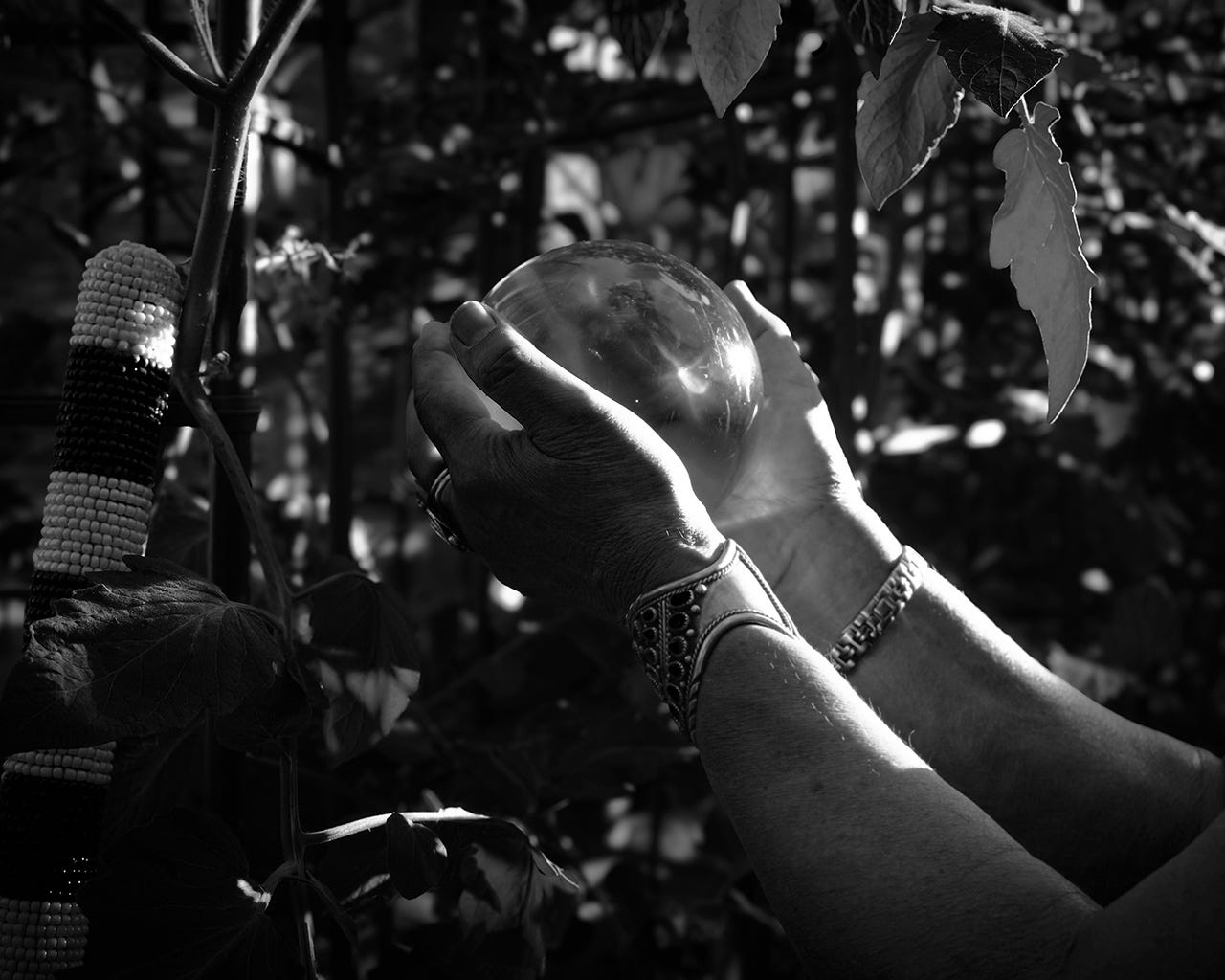
But what happens when the picture is unclear and the image in the crystal ball is murky? One approach is to start small. Talking to a friend recently, she passed on some advice she received during a time of transition to focus only on doing the “next first thing”. I love approaching my day this way and letting my impulses and intuition guide me. It’s definitely better than having my brain spin off into a million possibilities or endless to do lists. There is comfort in the here and now that doesn’t exist in the unknowable future. Recently I started a daily art making process, where I make the space to slow down and look at the everyday moments right in front of me. Sometimes there are beautiful images if only we take the time to look. Usually on a day when I feel the least inspired I’ll find the most intriguing image.
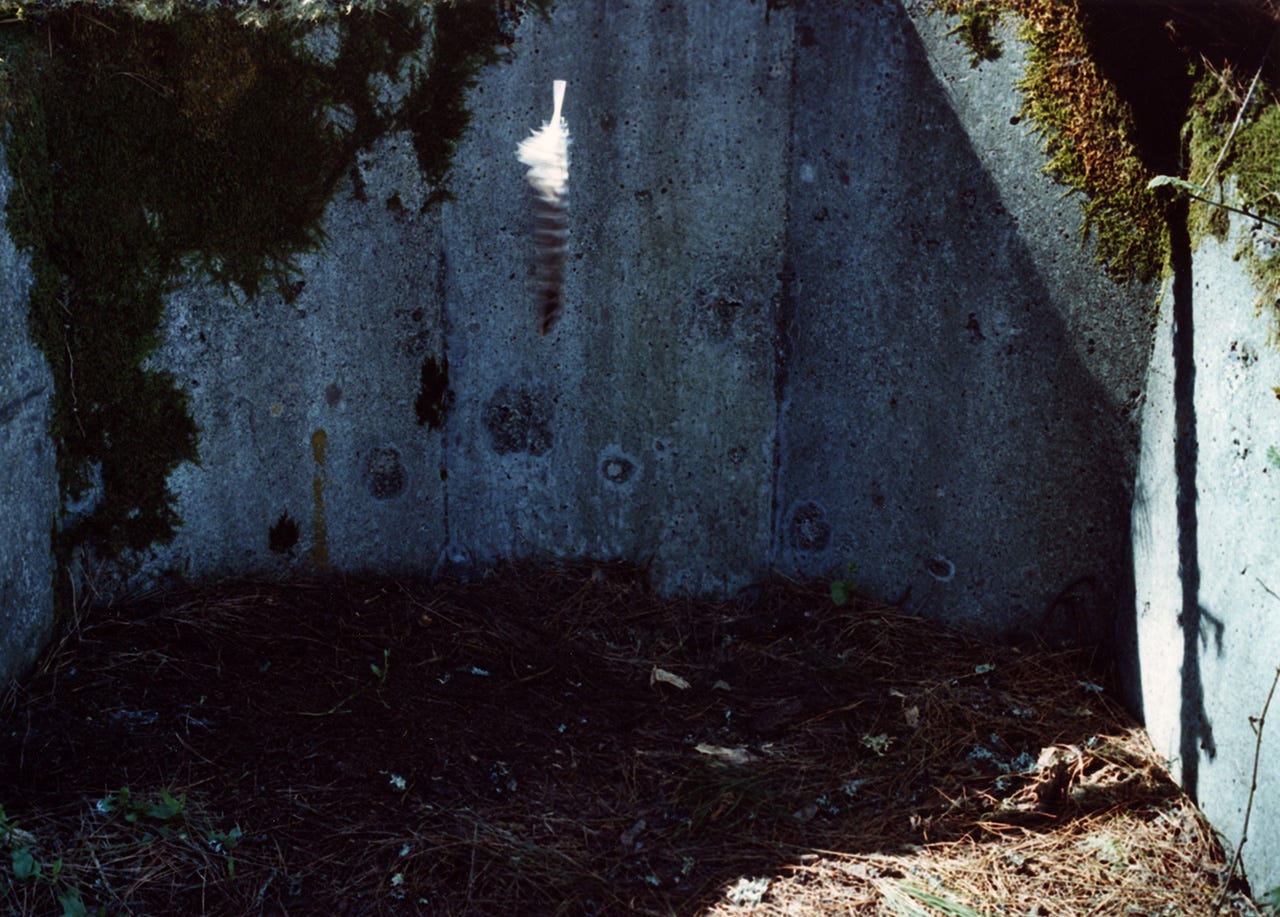
Another approach is to embrace a journey into the unknown. According to my all time favorite author Haruki Murakami, he doesn’t have a plan for his stories. Quoting from his recent NY Times interview, he just starts writing. “And while I’m writing, strange things happen very naturally, very automatically. Every time I write fiction, I go into another world — maybe you can call it subconsciousness — and anything can happen in that world. I see so many things there, then I come back to this real world and I write it down.” This is the world I gravitate toward, although there are bound to be more questions than answers found there. I’ve often felt that the camera, or whatever tool an artist is using, is a conduit to reach the world beyond this one. At its best, art can be a portal, showing our world reflected back to us in the guise of another.
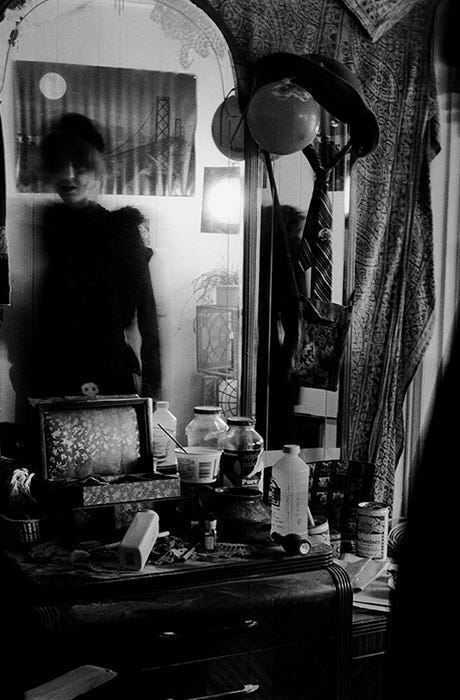
Jung wrote: “The privilege of a lifetime is to become who you truly are.” I’m finding my way by looking to the mirror. Not in the mirror, but through it, or maybe around it. My book, The Other Side of the Mirror, is a catalog of my past lives, the time of another me that informs the present. Since childhood, I have always felt pulled to the mirror as a division between this world and another, or possibly two worlds existing simultaneously. But the mirror is also a portal, representing the visual separation between the I and the self. Eckhart Tolle described this in his experience of enlightenment when he discovered he had two selves, and stated “I cannot live with myself any longer”. This led him to believe that suffering is a fiction of the mind, created by his ego self and that the only way to escape this reality was to live in a state of the eternal present.
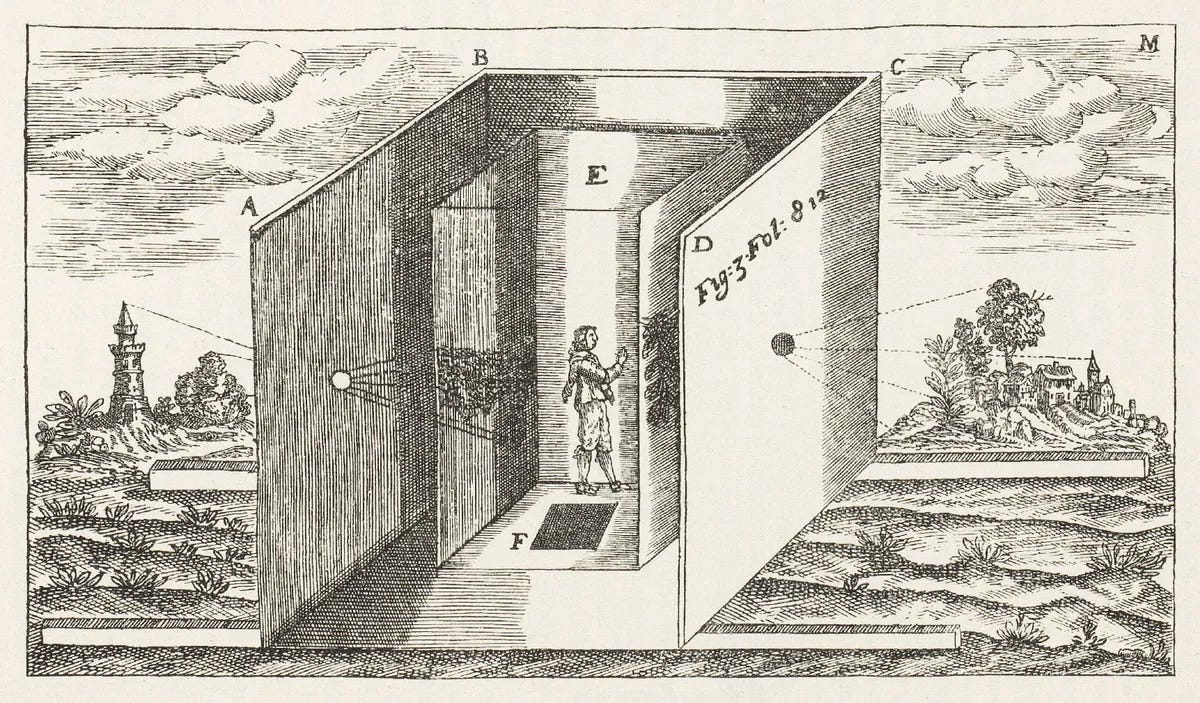
At times we may find ourselves in the camera obscura, otherwise known as the dark chamber. Our cameras are now mirrorless, but we can still reflect the world by creating a pinpoint of light in an otherwise dark room. All it takes is the tiniest pinhole of light to make sense of the darkness. We look around and there are mirrors everywhere: in every room, on our screens, and in our mind’s eye. What does it take to break free of the mirror and just exist, without getting lost and consumed by all of the suffering and obsession it takes to live?
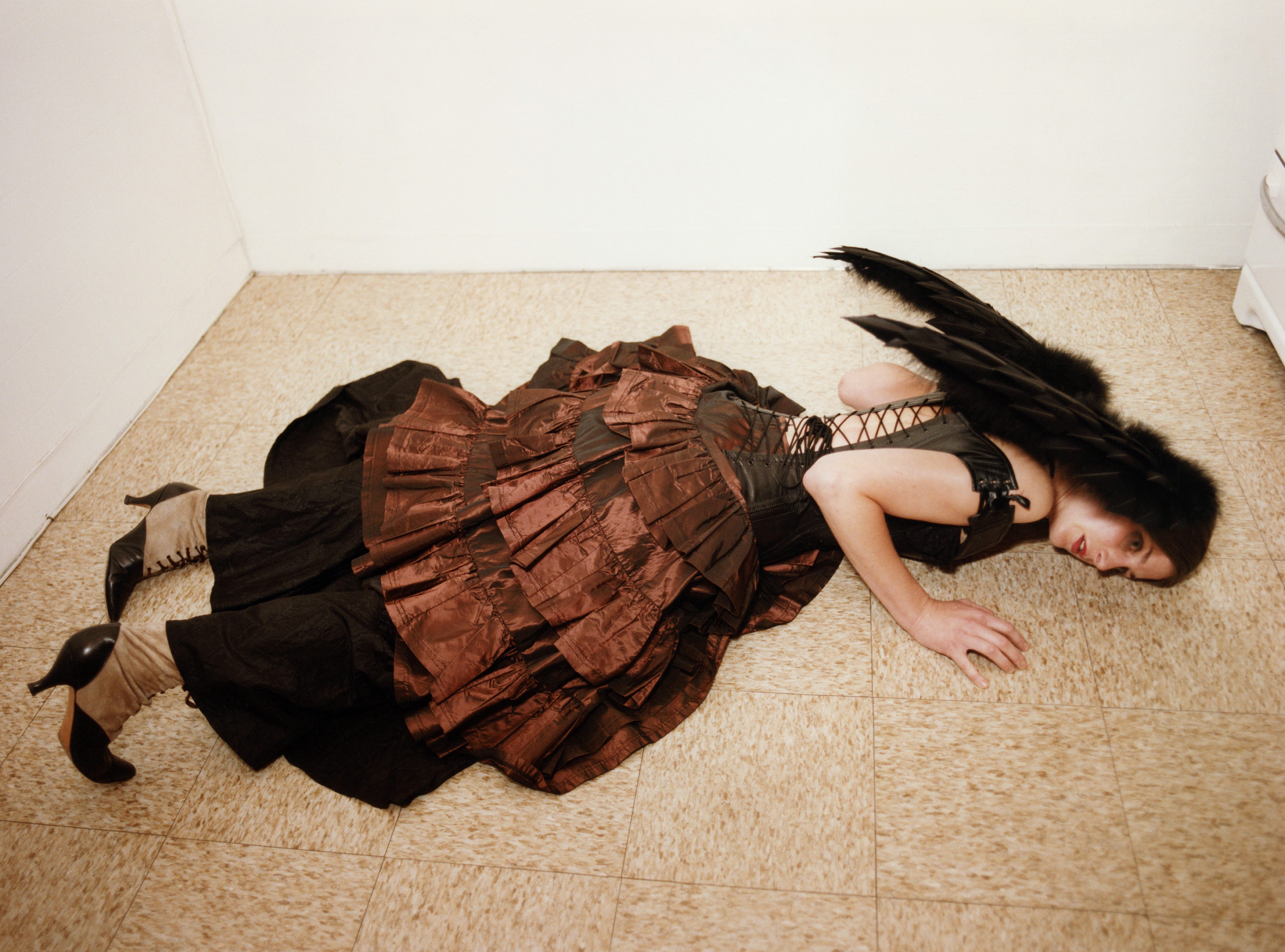
Perhaps the best approach is to just let go. In Rebecca Solnit’s lovely book of essays A Field Guide to Getting Lost, she writes, “Imagine yourself streaming through time shedding gloves, umbrellas, wrenches, books, friends, homes, names. This is what the view looks like if you take a rear-facing seat on the train. Looking forward you constantly acquire moments of arrival, moments of realization, moments of discovery. The wind blows your hair back and you are greeted by what you have never seen before. The material falls away in onrushing experience. It peels off like skin from a molting snake. Of course to forget the past is to lose the sense of loss that is also memory of an absent richness and a set of clues to navigate the present by; the art is not one of forgetting but letting go. And when everything else is gone, you can be rich in loss.”
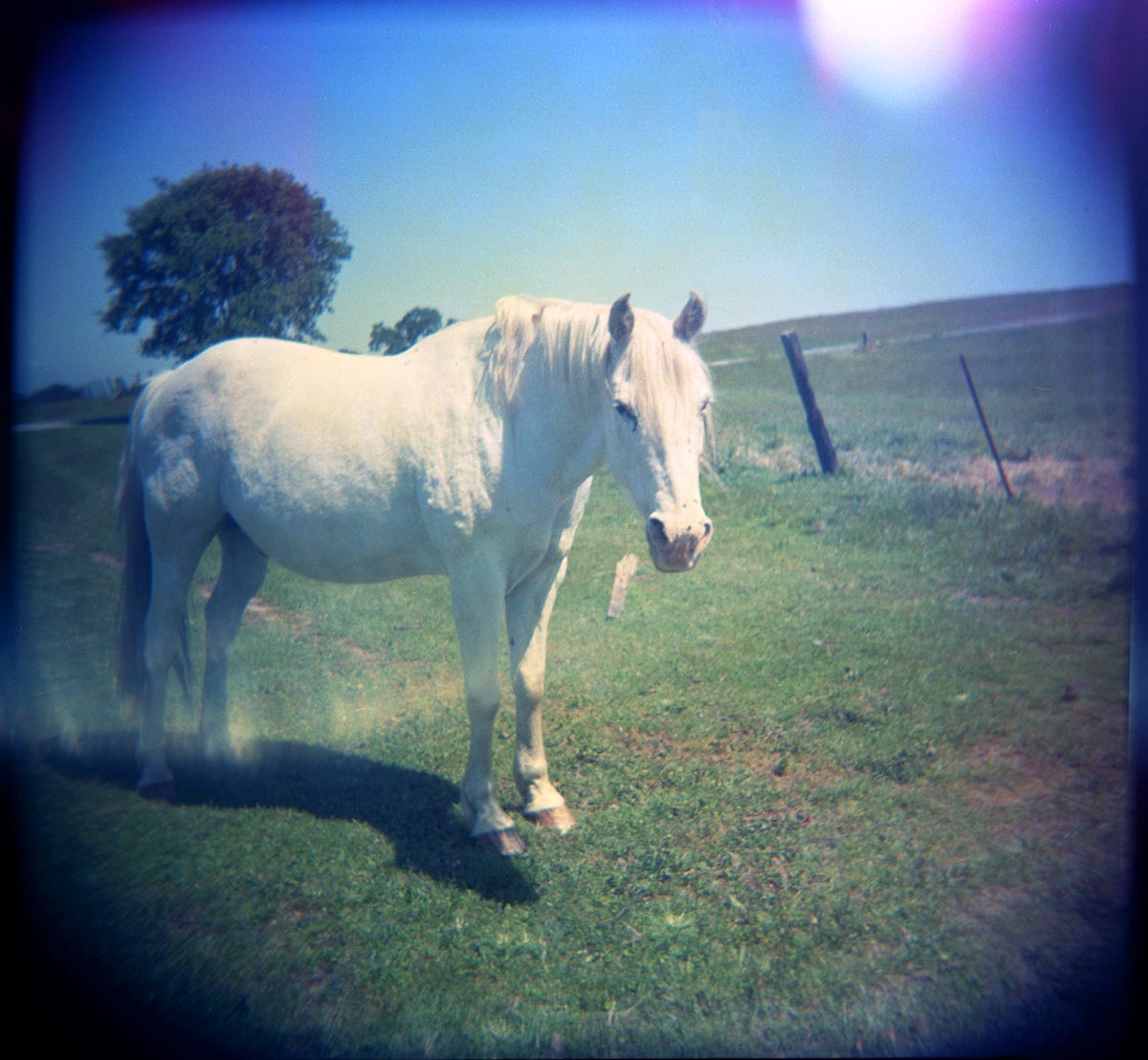
On Tuesday February 17th, we say goodbye to the lunar year of the snake and hello to the year of the horse. Coincidentally that same day is the last day of Mardi Gras, the first day of Ramadan and the occurrence of a solar eclipse. In these uncertain times, may all of your losses be blessings in disguise, and may we cultivate the ability to both be who we truly are and to exist in peace simultaneously.
This might be an excellent time to add my photo book The Other Side of the Mirror to your library or to gift it to an art appreciator in your life. You can purchase it on my website here!
So honored to be part of this book, Lyn! Loved reading your thoughts.
I really enjoyed this latest entry and hope that all of these someday end up in your next book.
I think I remember you telling me about that photo of you in the mirror was taken before the move to San Francisco; and there is the Golden Gate on your wall in the mirror's reflection behind you. Sometimes we don't even know when or how we are manifesting.
Interesting to hear the science behind it!